Holding house keys
Exposure
Lost keys and rekeying cost
Policy or endorsement to inspect
Lost-key provision
Exclusion to check
Access, replacement and limit conditions

Customize a sitter’s protection around the work actually performed, one incident at a time.
Use these checkpoints to frame the literal question before reading the full guide.
Customized pet sitting insurance begins with the sitter’s activities: home visits, walks, medication tasks, keys, transport and any helpers. Follow a possible incident to the affected person, animal or property, then identify the relevant policy and exclusion. An owner’s pet-health policy does not establish the sitter’s business liability protection.
The sections below show how to verify the answer and what can change it.
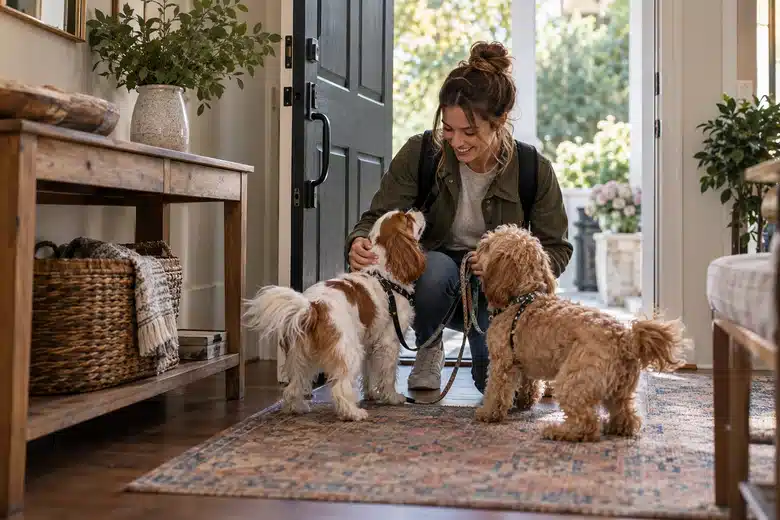
Imagine a sitter hired for a home visit, a short walk and a prescribed medication task. On arrival the sitter holds the client’s key; on the walk the animal is under the sitter’s supervision; back inside there may be a medication error. These are hypothetical risk situations, not reported losses or predictions of payment. “Customized” should mean checking each activity, not simply increasing a general liability number.
| Business activity | Exposure | Policy or endorsement to inspect | Exclusion to check |
|---|---|---|---|
| Holding house keys | Lost keys and rekeying cost | Lost-key provision | Access, replacement and limit conditions |
| Walking a client’s dog | Animal injury or harm to another person | Animal bailee and general liability separately | Animal in care; activity and location restrictions |
| Administering medication | Error in the agreed service | Professional/service-error wording | Medication task and professional-services exclusions |
| Driving a pet | Animal and vehicle-related loss | Transport and automobile wording | Auto exclusion; animals in transit |
| Using a substitute sitter | Who performed the work | Insured-person and worker definitions | Employee or contractor limitations |
Pet Care Insurance’s public animal-bailee description addresses legal liability for injury to an animal in the business’s care, custody or control. Its sitter page separately describes general liability, veterinary reimbursement and lost-key features. Those summaries support separating the branches; they do not settle the hypothetical incidents above.
If a dog is injured during a walk, record the animal’s involvement and the sitter’s activity without assuming legal fault. If a bystander is injured, that is a different claimant and coverage question. A single accident may generate more than one expense or allegation, so keep the facts together but avoid merging every cost into one benefit.
Create a before-and-after schedule showing the named activities, animal limits, deductible, territorial scope and people insured. If adding transport or a helper changes the risk, find the corresponding wording rather than relying on a refreshed certificate. Ask whether defense expense uses up a limit, which sublimits apply and when notice is due. These are questions to resolve, not statements of universal contract behavior.
Keep the service agreement, owner instructions and emergency contact information accurate. A record of permission to give medication can explain the job but cannot create an insurance benefit that was excluded. Likewise, an insurance certificate can be useful evidence that a policy exists while leaving the operative exclusions elsewhere.
List every service offered, including occasional tasks.
Identify where animals stay and who supervises them.
Record use of vehicles and substitute workers.
Match each advertised customization to an actual form or schedule change.
Retain incident facts and follow the policy’s notification process.
No complete current sitter specimen, relevant endorsements and underwriter/state-availability verification were obtained. The public product descriptions do not establish how each situation would be handled. No claim that medication errors, transport or any fictional incident is covered is made.
No. The operative terms, liability basis, limits and exclusions must be read.
It does not establish that the relevant automobile or animal-in-transit exposure is included.
This article does not imply that the specific animal, liability product, state or service discussed above is covered by the site's partner. If you are separately comparing medical insurance for U.S. domestic dogs or cats, the next button opens a separate quote route for that product; check the actual policy for eligibility and exclusions.